Culture builds people. People build success.
Strong company culture starts with genuine care, trust, inclusion, and connection. This article explores how relational motivation, psychological safety, shared values, and authentic leadership help build engaged, high-performing teams – and why people who care about each other are more likely to create lasting business success.
We recently ran a 360-degree feedback exercise on our Senior Leadership Team. As I was writing up some personal development goals for the rest of the year, I asked Gemini to sum up my strengths and weaknesses. One of the strengths was summarised as follows: ‘You are defined by your genuine care for others, approachability, and ability to build strong, trusting relationships. You create a safe environment for honesty while maintaining high standards and expectations.’
Well, this is lovely. But is it important?
There is a famous Peter Drucker quote that says, “Culture eats strategy for breakfast.” As GM People, my team and I do a lot in our roles to intentionally shape the culture of our business, but we deliberately dropped the ‘& Culture’ from our functional name a few years ago, because no one person or team gets to ‘own’ culture. Everyone who joins your business has an impact on company culture.
A healthy culture needs to have inclusion at its core; each individual should feel valued for who they are and what they bring, rather than feeling that they have to conform to an established culture in order to succeed. So how do you intentionally shape a culture and maintain the organic development of it? By being deliberate about a few things:
- Being clear and consistent with your company values.
- Recruiting people who align with your company values and can add to your workplace culture – this is as important as technical competence.
- Fostering connection within the company on a personal level.
- Celebrating the great things about your people, and the diversity in your teams.
- Leadership modelling and bringing visibility to the behaviours you want to be part of your culture.
Oh, and wee spoiler alert…. None of this will really work if your values aren’t real and the people in your business (especially those in Leadership) don’t actually care about their people.
Why?
It’s called relational motivation – when your drive to perform comes from a sense of responsibility and connection to the people around you.

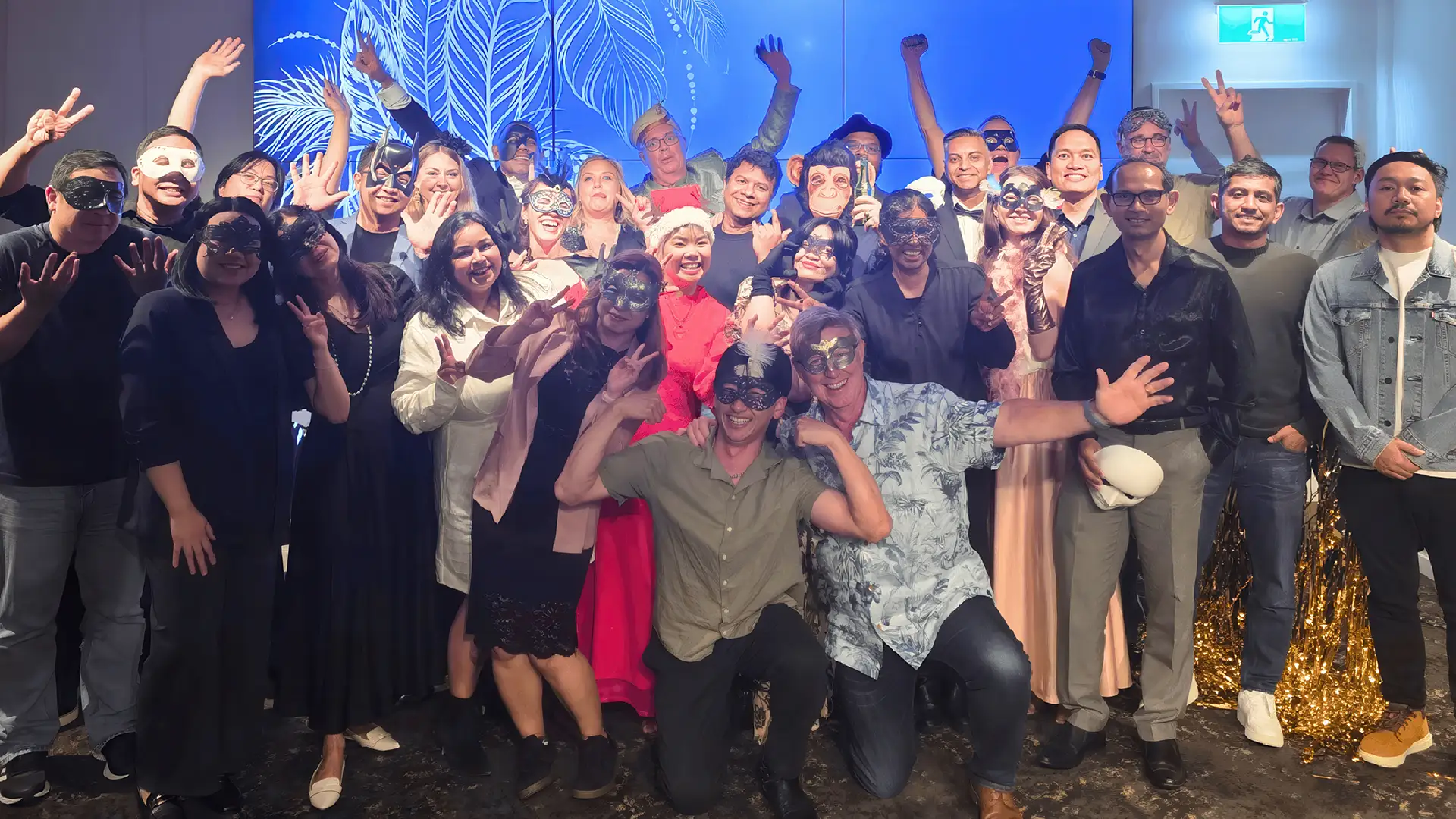
Good times and great company: The Wellington team toasting to the end of the year.
- Accountability: You do not want to let down people you respect and care about.
- Shared Purpose: Working toward a goal with friends feels like a collective mission rather than just a checklist of tasks.
- Psychological Safety: When you trust your team, you are more willing to take creative risks and put in extra effort because you know they have your back.
- The “Buffering Effect”: High-stress projects are much easier to handle when you are enduring them alongside colleagues you genuinely like.
Gallup’s famous employee engagement survey explicitly asks if employees have a “best friend at work.” Decades of data show that people who answer “yes” are significantly more productive, less likely to quit, and more committed to high-quality work.

Bringing our full, authentic selves to work: The Christchurch team having fun at the end-of-year party.
Patrick Lencioni (Author of The Five Dysfunctions of a Team) argues that trust is the foundation of all high-performing teams. Without personal vulnerability and connection, teams cannot engage in the healthy conflict needed to achieve great results.

Connecting over great food: The Auckland branch gathering for a team spring roll making night.
When people genuinely care about the outcome and–crucially–care about the teammates working alongside them, their motivation changes. They are no longer just working for a paycheque; they are working out of a sense of shared responsibility. They go the extra mile because they refuse to let down the people next to them.
So yes, a genuine care for others and the ability to build strong, trusting relationships is important. Because connection, as a key part of company culture, unlocks a powerful secret sauce. Culture builds people. People build success.
Connect with Katie Ham on LinkedIn for more insights on people, culture, and leadership at Assurity.
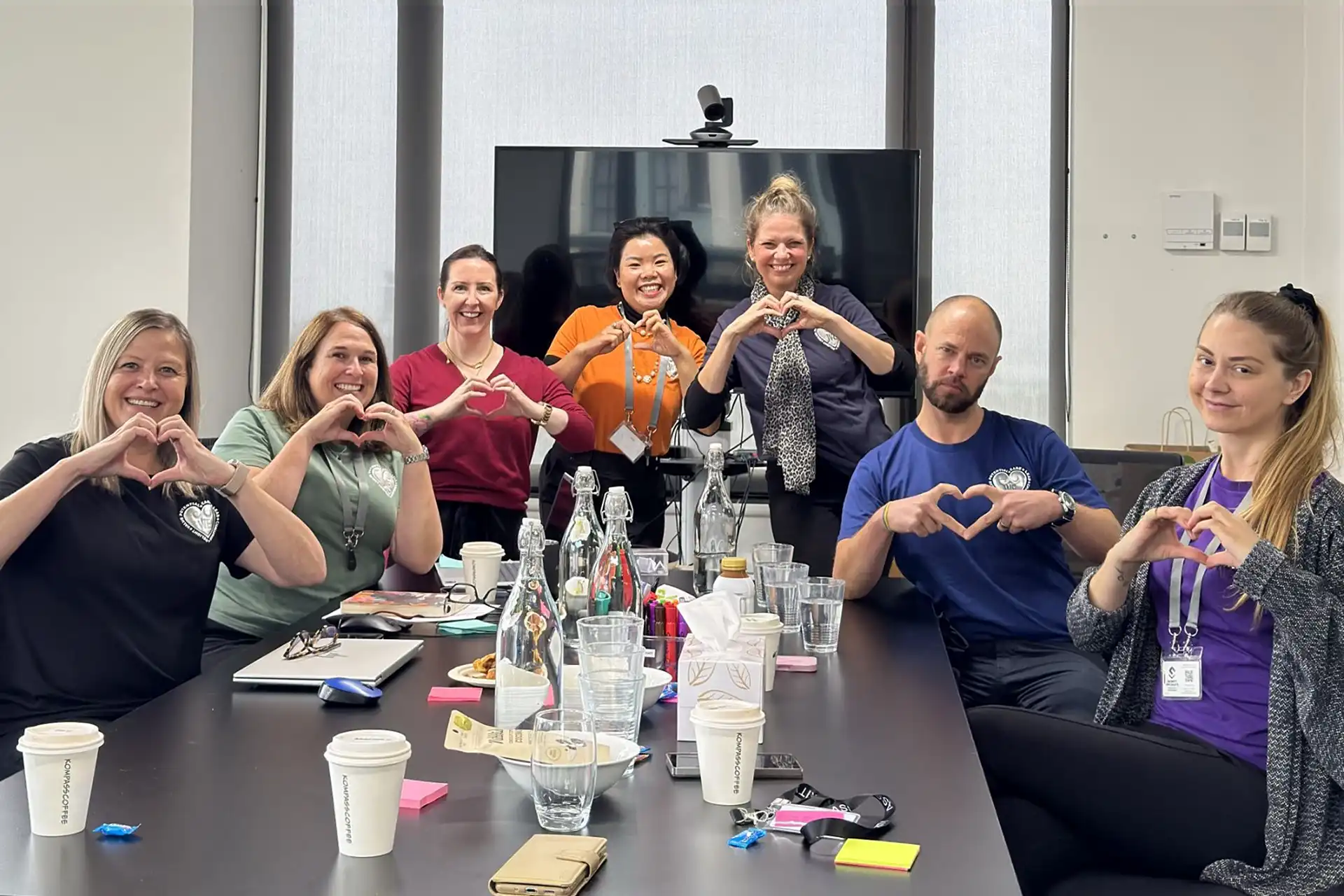
From strategy workshops to team-building adventures: The Assurity People team showing what relational motivation looks like in practice.
Related articles
-

In-house QA vs. independent testing: When should you bring in an external partner?
-

Beyond the fear: Practical approaches for AI quality and accuracy
-

Beyond the implementation: Navigating the hard realities of Microsoft Business Central